
Optimal Timing for Tree Removals
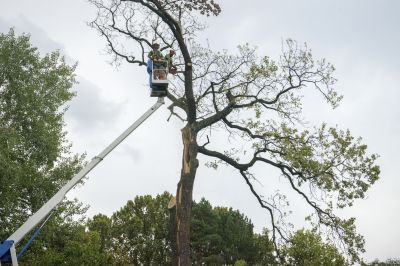
Winter is often considered ideal for tree removals due to dormant trees and easier access.
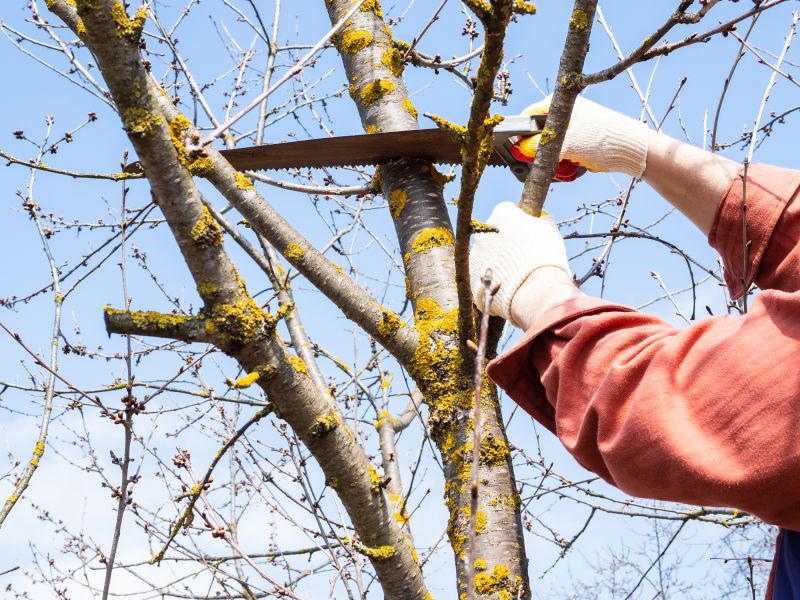
Spring can be suitable for removals, but caution is needed to avoid damaging new growth.
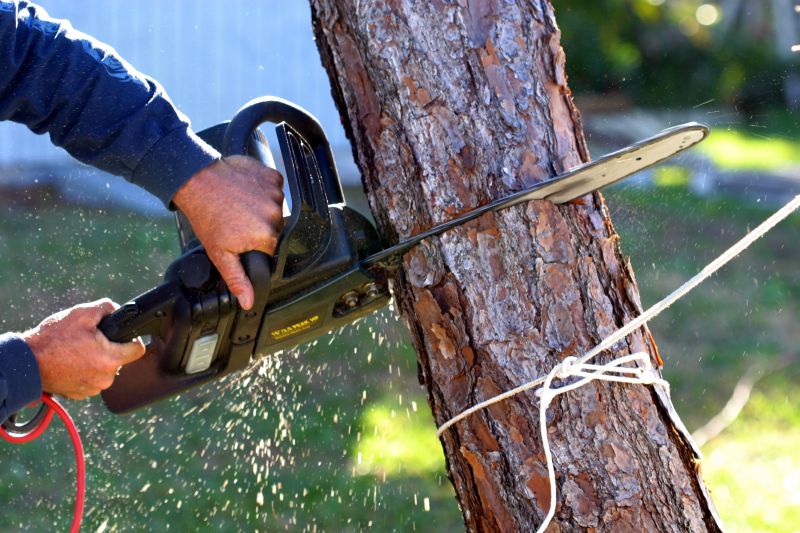
Summer removals are possible but may be more challenging due to foliage and heat.
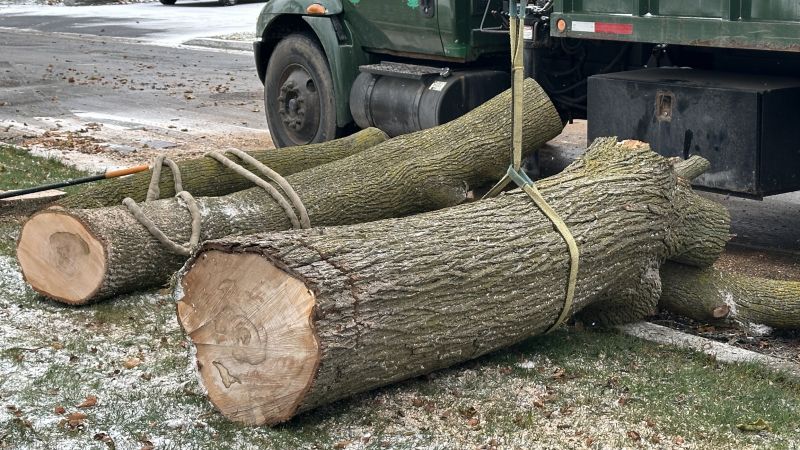
Ways to make Tree Removals work in tight or awkward layouts.
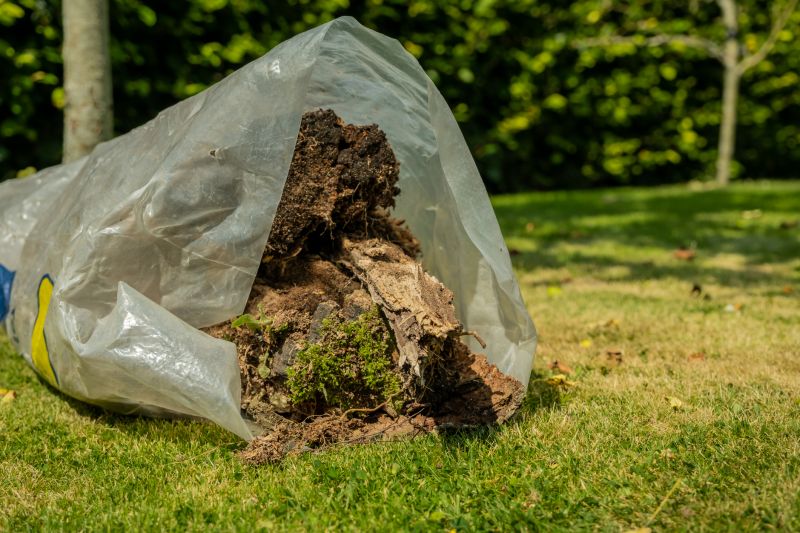
Popular materials for Tree Removals and why they hold up over time.
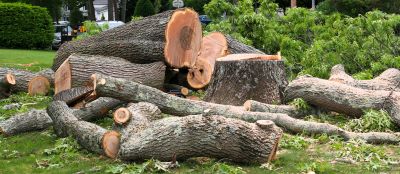
Simple add-ons that improve Tree Removals without blowing the budget.
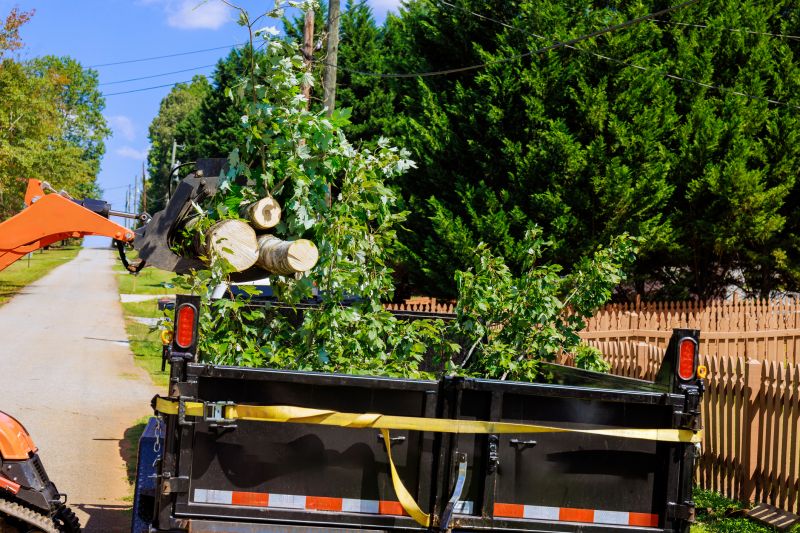
High-end options that actually feel worth it for Tree Removals.
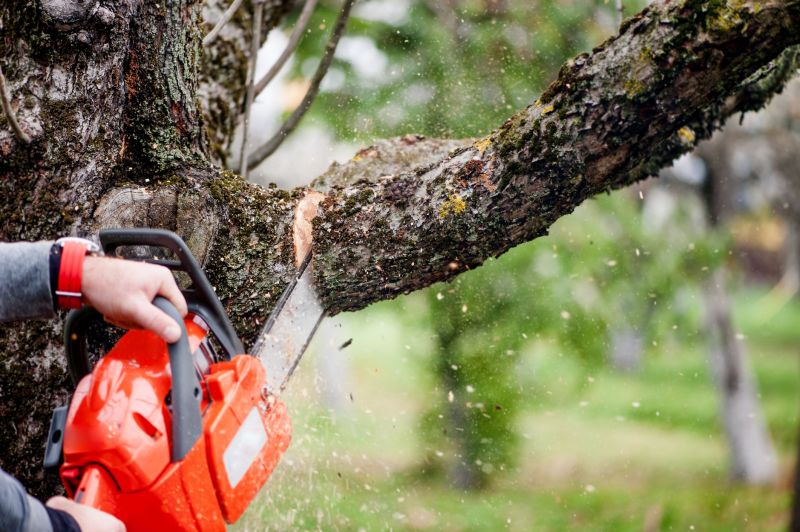
Finishes and colors that play nicely with Tree Removals.
Tree removals are a vital part of landscape management and safety. The optimal timing depends on several factors including tree species, weather conditions, and the purpose of removal. Generally, late fall and winter are preferred because trees are in dormancy, reducing stress and risk during removal. During dormancy, trees have shed their leaves, making it easier to assess their structure and access the trunk and branches. Additionally, soil conditions in winter often facilitate easier equipment movement and reduce soil compaction.
Statistics indicate that winter removals can reduce potential damage to surrounding structures and landscape features. Proper timing can also minimize the impact on the tree's root system, especially if replanting or landscaping follow the removal. Spring and summer removals may be necessary in emergency situations or when safety concerns outweigh seasonal considerations. However, these seasons can involve higher risks of pest spread and increased labor challenges due to foliage and weather conditions.
Choosing the right season for tree removal can impact safety, tree health, and landscape aesthetics.
Dry, cold weather is ideal for removals, reducing complications from moisture and soft ground.
Urgent removals are performed regardless of season when safety hazards are present.
Some species are more suited for removal in certain seasons due to their growth cycles.
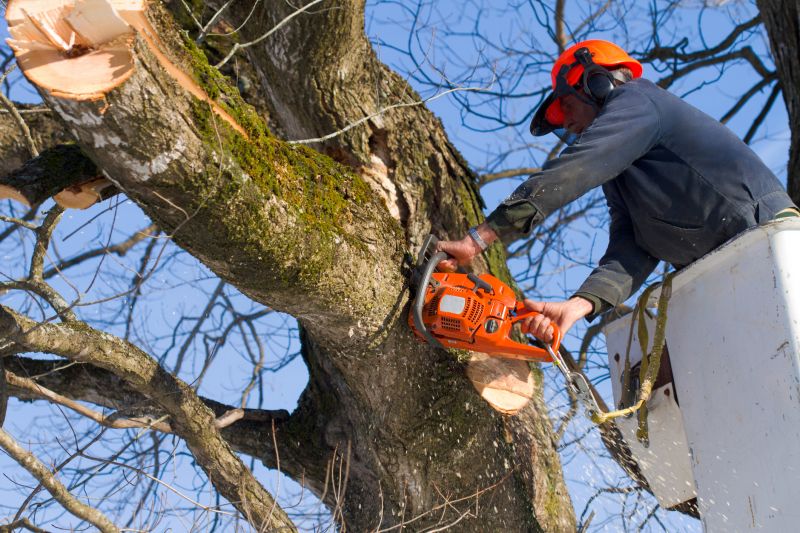
Specialized tools and machinery are used for safe and efficient tree removal.
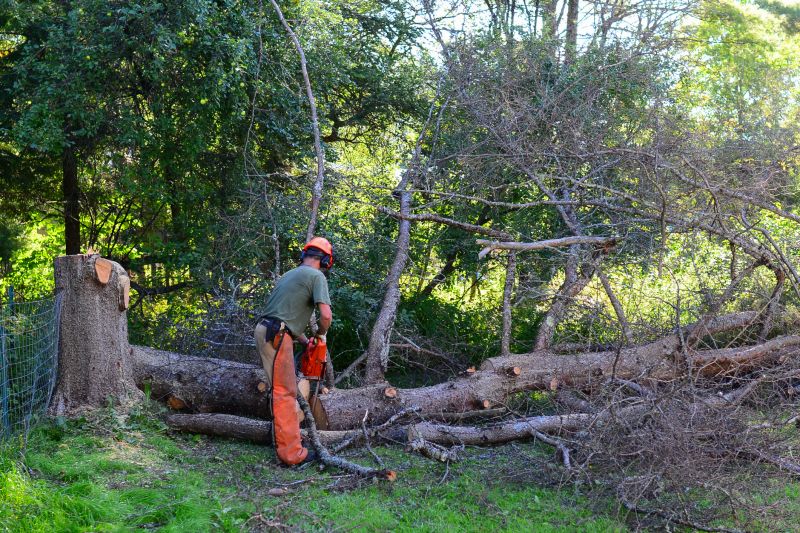
Snow-covered ground minimizes soil disturbance during tree removal.
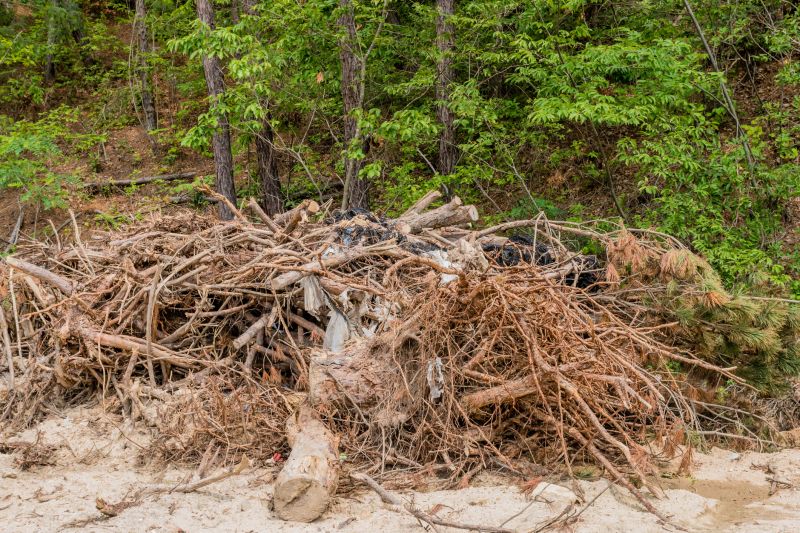
Spring's moderate weather supports safe removal activities.
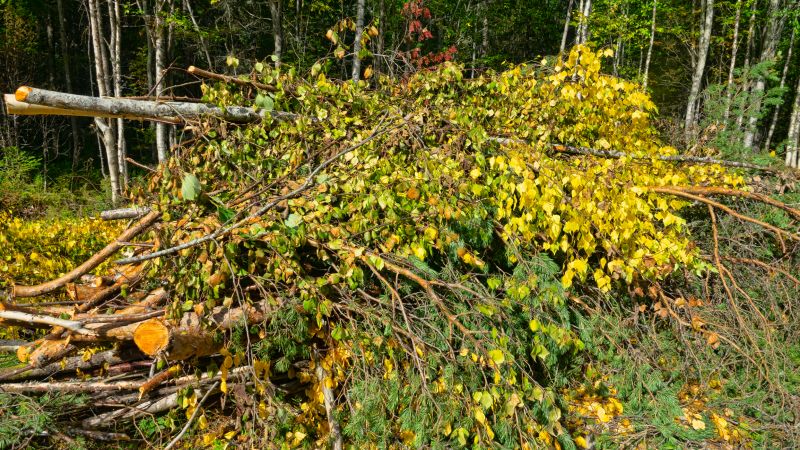
Foliage density can complicate removal efforts in summer months.
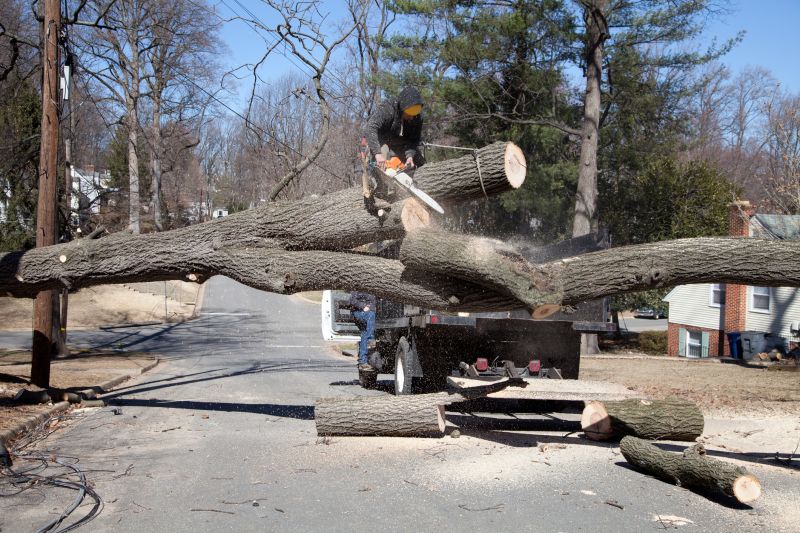
Rapid response is essential during storm damage or safety threats.
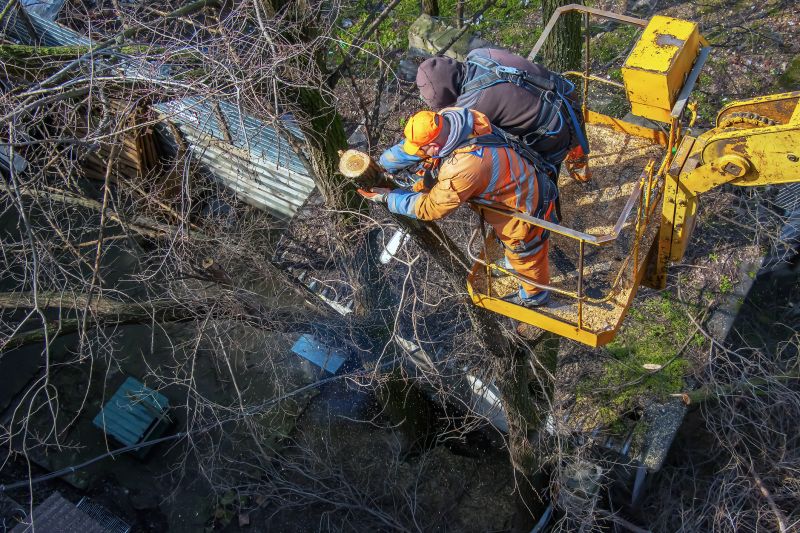
Proper protective equipment ensures safety during the removal process.
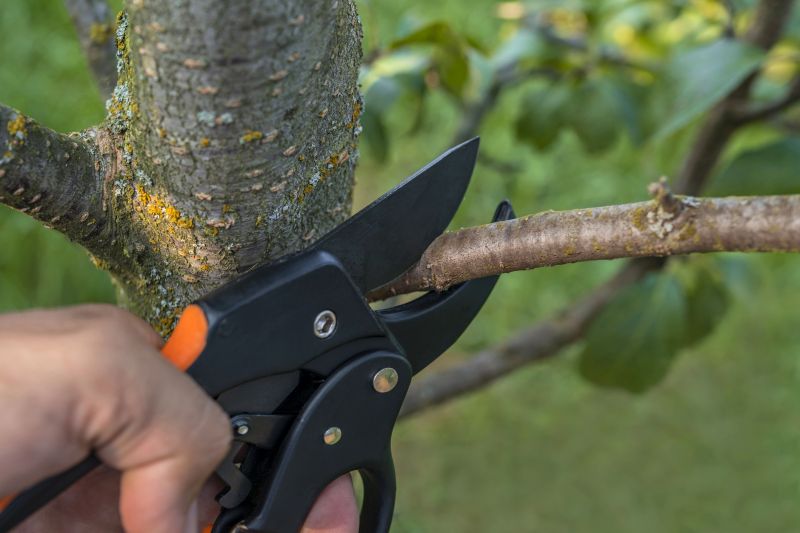
Small tweaks to make Tree Removals safer and easier to use.
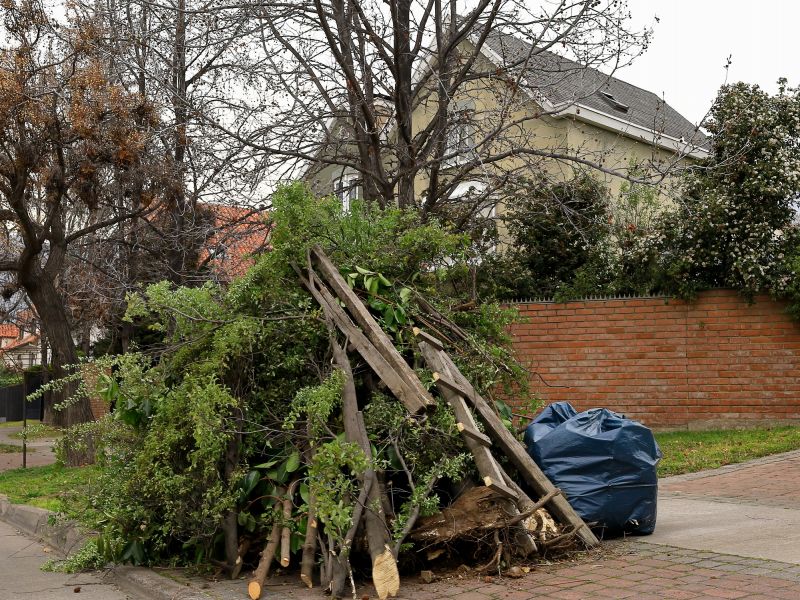
Lower-waste or water-saving choices for Tree Removals.
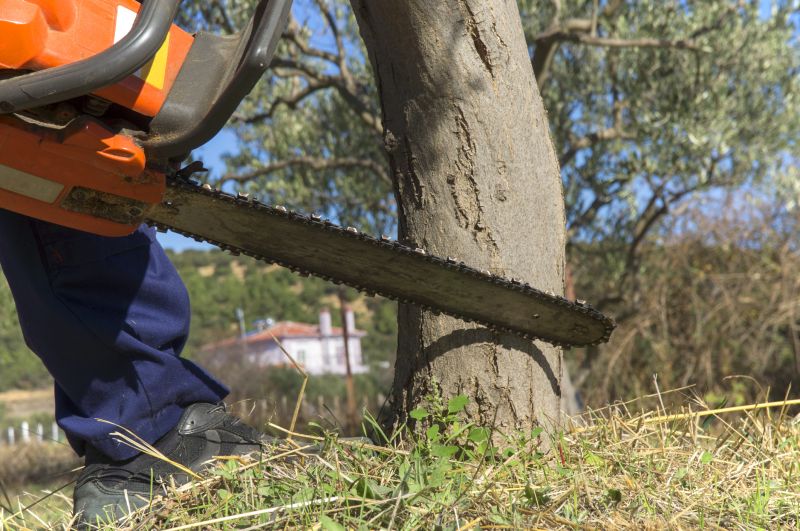
The short, realistic tool list for quality Tree Removals.
| Season | Advantages |
|---|---|
| Winter | Trees are dormant; soil conditions are favorable; less damage to surrounding landscape. |
| Spring | Favorable weather; new growth begins; suitable for planned removals. |
| Summer | Longer daylight hours; necessary for urgent removals; active pest control. |
| Fall | Leaves have fallen; easier to assess tree structure; cooler weather. |
| Emergency | Performed regardless of season when safety is at risk; storm damage. |
Understanding the best timing for tree removals can enhance safety, reduce costs, and promote landscape health. Consulting with a professional can help determine the most appropriate season based on specific circumstances. Proper timing ensures that tree removal is conducted efficiently, with minimal impact on the surrounding environment.
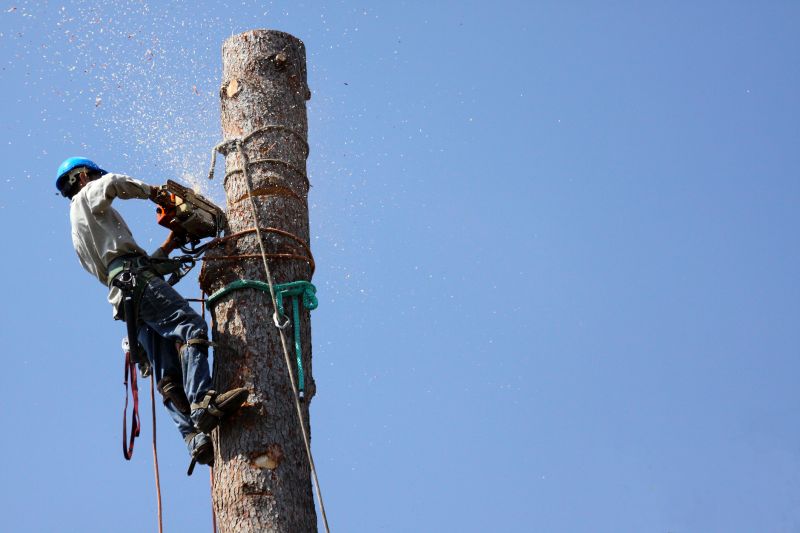
Optimal for safety and soil preservation.
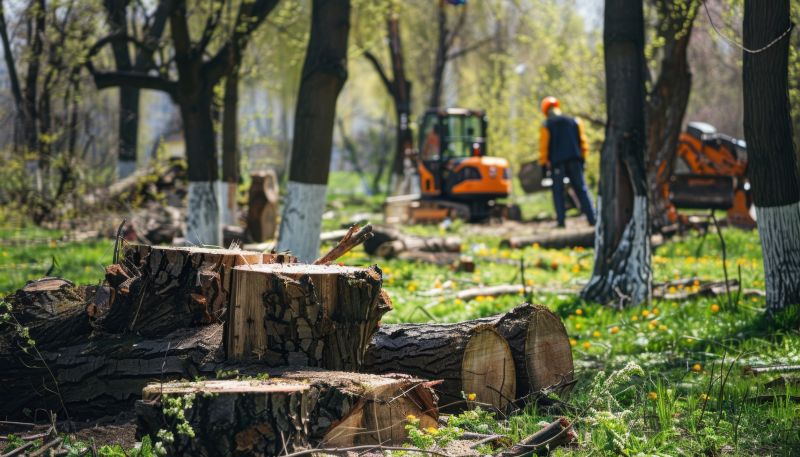
Suitable for planned projects and new landscape designs.
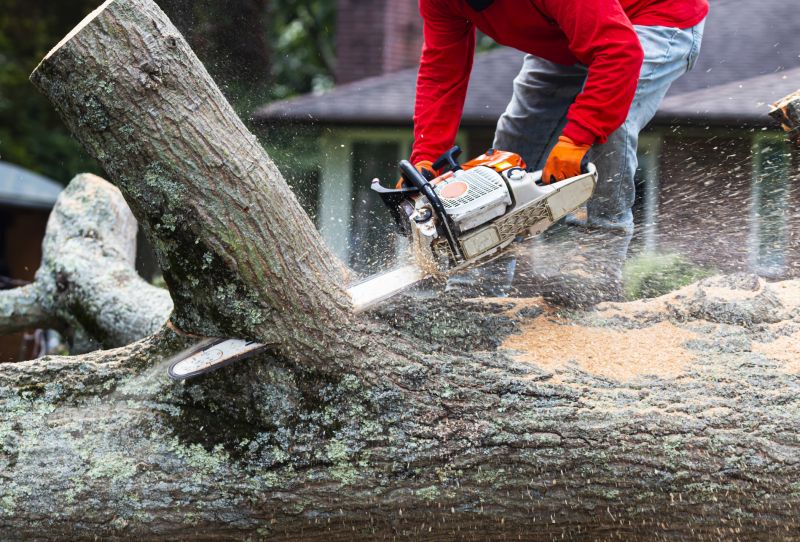
Necessary in emergencies or storm damage situations.
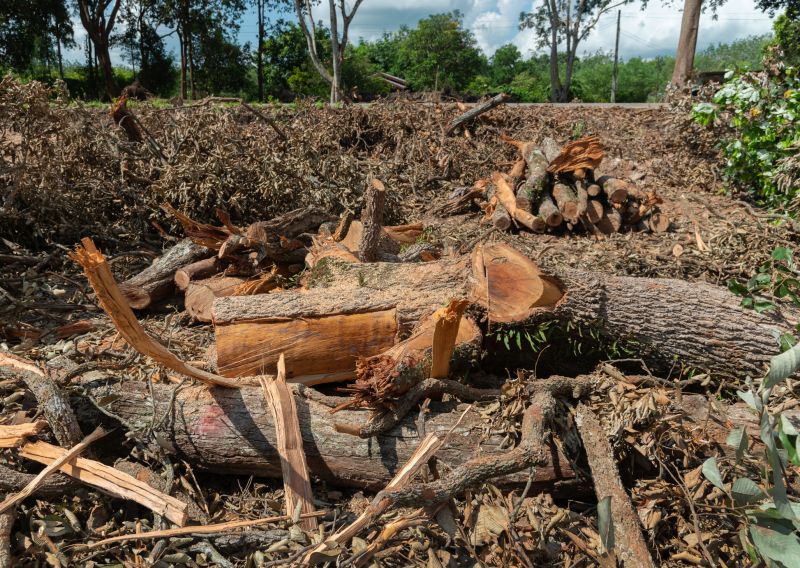
Good for assessing tree health before winter.
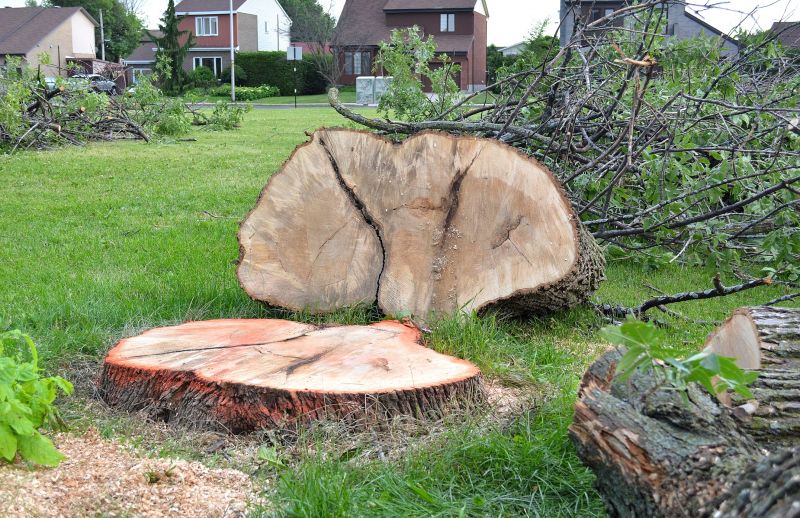
Examples that show the impact a good Tree Removals can make.
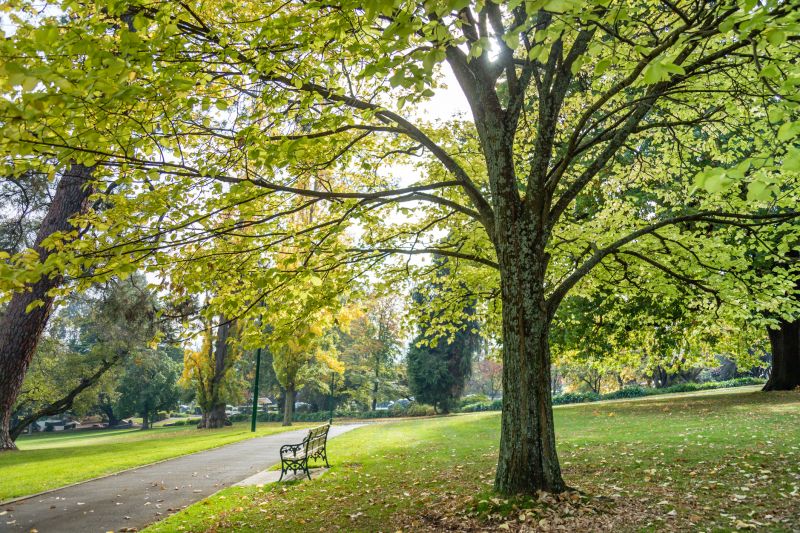
Ways to make Tree Removals work in tight or awkward layouts.
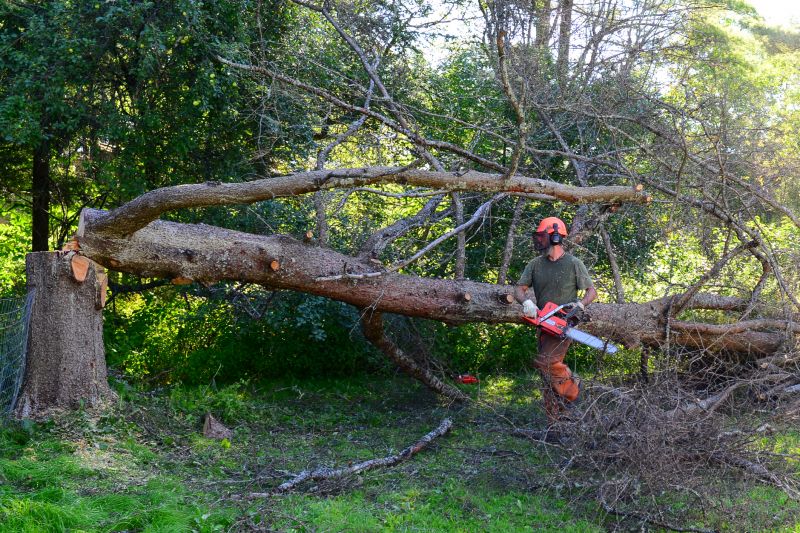
Ways to make Tree Removals work in tight or awkward layouts.
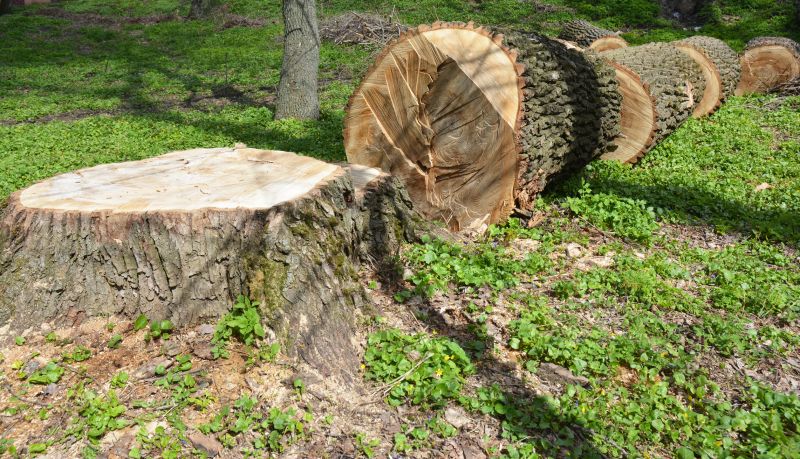
Ways to make Tree Removals work in tight or awkward layouts.
Interested in scheduling a tree removal or learning more about the best timing for specific trees? Filling out the contact form can provide tailored advice and assistance from experienced professionals.